
How did Vicente del Bosque’s Spain play vs Luis de la Fuente’s?
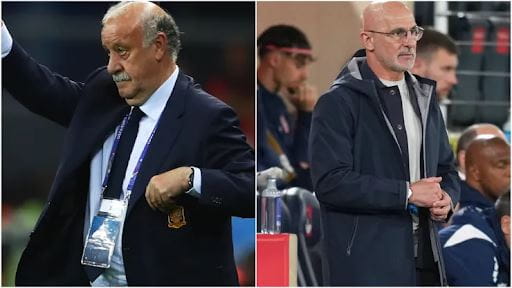
Spain’s 2 World Cup-winning generations represent different versions of the same footballing identity. If you want to bet on the Spanish national side, you can download apk from 1xBet and explore the excellent available opportunities.
Vicente del Bosque’s team conquered the world in 2010 through:
- control;
- patience;
- and positional discipline.
However, Luis de la Fuente’s 2026 champions have combined Spanish technical tradition with greater speed, physicality and attacking variety. De la Fuente’s side defeated Argentina 1-0 after extra time in the 2026 World Cup final, securing Spain’s second men’s World Cup title. Needless to say, you can also download the apk from 1xBet to bet on the FIFA World Cup whenever it takes place.
Del Bosque inherited the foundations created during Spain’s golden era under Luis Aragonés and perfected a possession-based model often associated with “tiki-taka.” The 2010 team was built around players from Barcelona and Real Madrid such as Xavi Hernández, Andrés Iniesta, Sergio Busquets and Xabi Alonso. Their football was based on overwhelming opponents through passing triangles, territorial dominance and defensive security with the ball. Spain did not need many chances because controlling possession was considered the best way to control the match.
Keeping matches under total control
The 2010 champions were not an explosive attacking team by modern standards. They scored only 8 goals in 7 matches during the tournament and won 4 knockout games by a single goal. This also includes the famous 1-0 final victory over the Netherlands, decided by Iniesta’s extra-time goal. All of this while conceding only 2 goals.
De la Fuente’s Spain maintains some of those principles but has evolved. The 2026 side still values possession and technical quality, but it plays with more verticality and individual freedom. Young attackers such as Lamine Yamal and fast wide players allow Spain to attack space more aggressively rather than always patiently circulating the ball. In general, this contrast is seen as a move from pure tiki-taka toward a faster, more dynamic interpretation of Spanish football.
The biggest difference is the balance between control and direct threat. Del Bosque’s Spain wanted to dominate through the midfield. De la Fuente’s Spain dominates while also looking to hurt opponents quickly. Players like Rodri provide midfield control similar to Busquets’ role, but the team’s transitions and pressing are more intense. Defensively, the 2026 champions were exceptionally strong, conceding just 1 goal during the tournament and setting a record for defensive efficiency among World Cup winners.
